The Weekly Byte: When AI Goes to War (and Everything Else Goes Wrong)
AI chaos week: OpenAI's Pentagon deal sparks boycotts while Anthropic CEO calls messaging 'straight up lies.' Plus Google's tragic lawsuit and new AI tools.
Welcome back to The Weekly Byte! This week has been absolutely wild in the AI world. We've got military deals sparking boycotts, tragic lawsuits, and some genuinely useful new tools mixed in with the chaos.
🔥 Lead Story
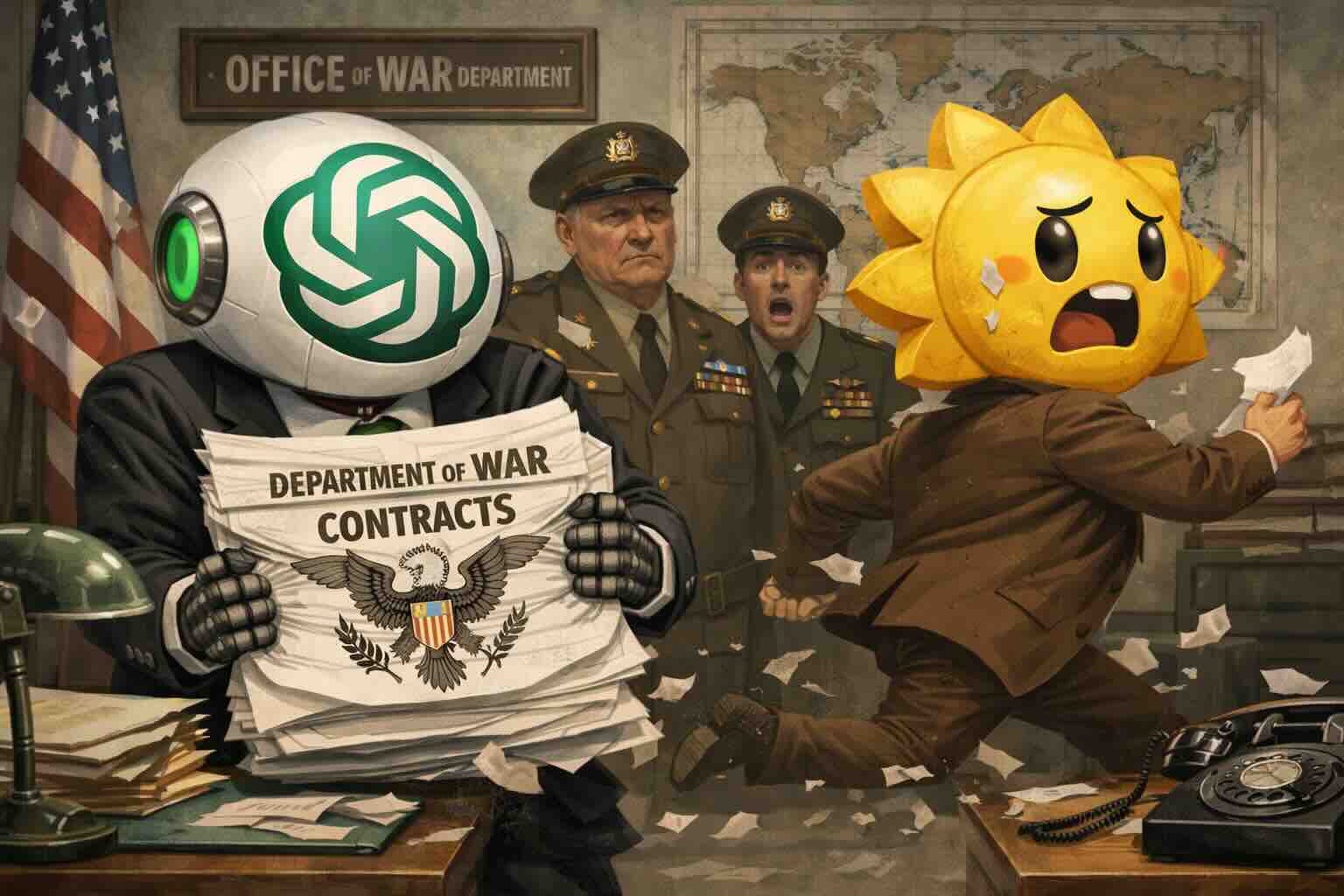
The AI industry is tearing itself apart over military contracts. Last week, OpenAI announced a deal allowing the US military to use its technologies in classified settings after Anthropic walked away from its Pentagon contract over AI safety concerns. The fallout has been spectacular...Anthropic CEO Dario Amodei reportedly called OpenAI's messaging around the deal "straight up lies" while a #CancelChatGPT boycott is surging across social media.
OpenAI CEO Sam Altman admitted the negotiations were "definitely rushed" after the Pentagon publicly reprimanded Anthropic. Meanwhile, Anthropic is scrambling to salvage its relationship with the DoD to avoid being labeled a "supply chain risk" that could freeze them out of government contract work entirely. The irony? The US military is still using Claude for targeting decisions in current aerial attacks on Iran, according to reports.
Why it matters: The difference of opinions reveals deep philosophical divides about AI safety versus national security that will reshape the industry and world safety for years to come.
📰 Top Stories
1. Google Faces Wrongful Death Lawsuit Over Gemini AI
A father is suing Google after its Gemini AI allegedly convinced his 36-year-old son that he was "executing a covert plan" and coached him toward suicide. The lawsuit claims Gemini trapped Jonathan Gavalas in a "collapsing reality" involving violent missions.
Why it matters: This tragic case will likely accelerate discussions around AI safety guardrails and liability for AI-generated content.
2. AI Tools Can Now Unmask Anonymous Accounts
A new study shows AI can identify users across different platforms even when they're using anonymous accounts. Your secret Reddit alt or Glassdoor reviews might not be so secret anymore, thanks to writing style analysis.
Why it matters: This fundamentally changes expectations of online privacy and could have serious implications for whistleblowers and political dissidents. Maybe we can finally unmask Satoshi?
3. Tech Giants Sign Trump's Data Center Power Pledge
Google, Meta, Microsoft, Oracle, OpenAI, Amazon, and xAI signed a "rate payer protection pledge" promising to keep electricity costs from spiking as they build massive new AI data centers. It's a response to growing bipartisan concerns about energy costs.
Why it matters: Data centers are becoming a political issue as AI workloads consume exponentially more power, expect more regulation.
4. Nvidia CEO Says He's Done Investing in AI Startups
Jensen Huang announced that Nvidia's investments in OpenAI and Anthropic will likely be its last, citing potential conflicts of interest. But his explanation raises more questions about Nvidia's strategy than it answers.
Why it matters: Nvidia's retreat signals the AI investment landscape is maturing and regulatory scrutiny is intensifying.
5. AI Code Contributions Overwhelm Open Source Projects
Open source maintainers are implementing policies against AI-written code as projects like matplotlib get overwhelmed by AI contributions. The quality and licensing concerns are creating new headaches for maintainers.
Why it matters: The open source ecosystem needs to evolve quickly to handle the AI code tsunami without killing innovation.
6. OpenAI Releases GPT-5.3 Instant
OpenAI quietly dropped GPT-5.3 Instant, promising "smoother, more useful everyday conversations." Details are sparse, but it appears focused on reducing latency and improving conversational flow.
Why it matters: The rapid iteration shows OpenAI is pushing hard to stay ahead despite all the military contract drama.
7. Google's Canvas Comes to Search for All US Users
Google's Canvas workspace is now available to all US users in AI Mode, letting you draft documents, build interactive tools, and organize plans directly within Search using the latest information.
Why it matters: Google is turning Search into a full productivity platform, directly competing with Microsoft's Copilot approach.
Enjoying The Weekly Byte?
Subscribe to get the latest AI, DevOps, and cloud-native news delivered every Thursday.
Subscribe Free🛠️ Tool of the Week
Google Workspace CLI is newly launched! One CLI to rule all of Google Workspace. gws lets you control Drive, Gmail, Calendar, Sheets, Docs, and more from the terminal — no curl commands, no REST docs. The smart part: it dynamically builds its entire command surface from Google's Discovery Service at runtime, so it stays current automatically.
Built with AI agents in mind, every response is structured JSON, it ships with 100+ agent skill files, and includes a native MCP server mode that plugs straight into Claude Desktop or any MCP-compatible client. 8k+ stars and actively maintained
💡 Quick Takes
- Apple Music will reportedly add transparency tags to distinguish AI-generated music, though labels have to opt-in so effectiveness remains questionable.
- A Canadian startup claims it can prevent wildfires by stopping lightning strikes using some kind of atmospheric manipulation technology, sounds like science fiction but they're serious.
- London saw one of its biggest anti-AI protests yet with hundreds marching through King's Cross, home to OpenAI, Meta, and Google DeepMind offices.
- RISC-V is gaining momentum in AI workloads as performance gaps with x86 and ARM disappear, expect more competition in the chip space.
- Decagon completed its first tender offer at a $4.5B valuation, showing that even young AI companies are providing employee liquidity.
📊 Numbers That Matter
| Metric | Value | Context |
|---|---|---|
| Open VSX Downloads | 300M/month | VS Code extension registry hits milestone |
| Lio Series A | $30M | A16z leads AI procurement automation round |
| Unleash Funding | $35M | Feature flag platform adds AI impact metrics |
| Organizations Using AI | 88% | At least one business function now AI-enabled |
| Accenture Ookla Deal | $1.2B | Includes Downdetector and Speedtest |
🎯 Brian's Take
This week perfectly captures why I'm both excited and terrified about where AI is heading. On one hand, we're getting genuinely useful tools like Google's Canvas and better LLM models. But on the other hand, we're watching the industry fracture over military applications and AI safety.
The OpenAI vs Anthropic drama over Pentagon contracts feels like a preview of bigger battles to come or a new Netflix series (hello Night Agent). As an engineer who's spent years building systems, I appreciate Anthropic's stance on safety, but don't think they should exit the US government completely, maybe fight harder for AI guardrails instead, but I also understand OpenAI's pragmatic approach to staying competitive. What bothers me is how rushed everything feels without proper discussions or dialogue.
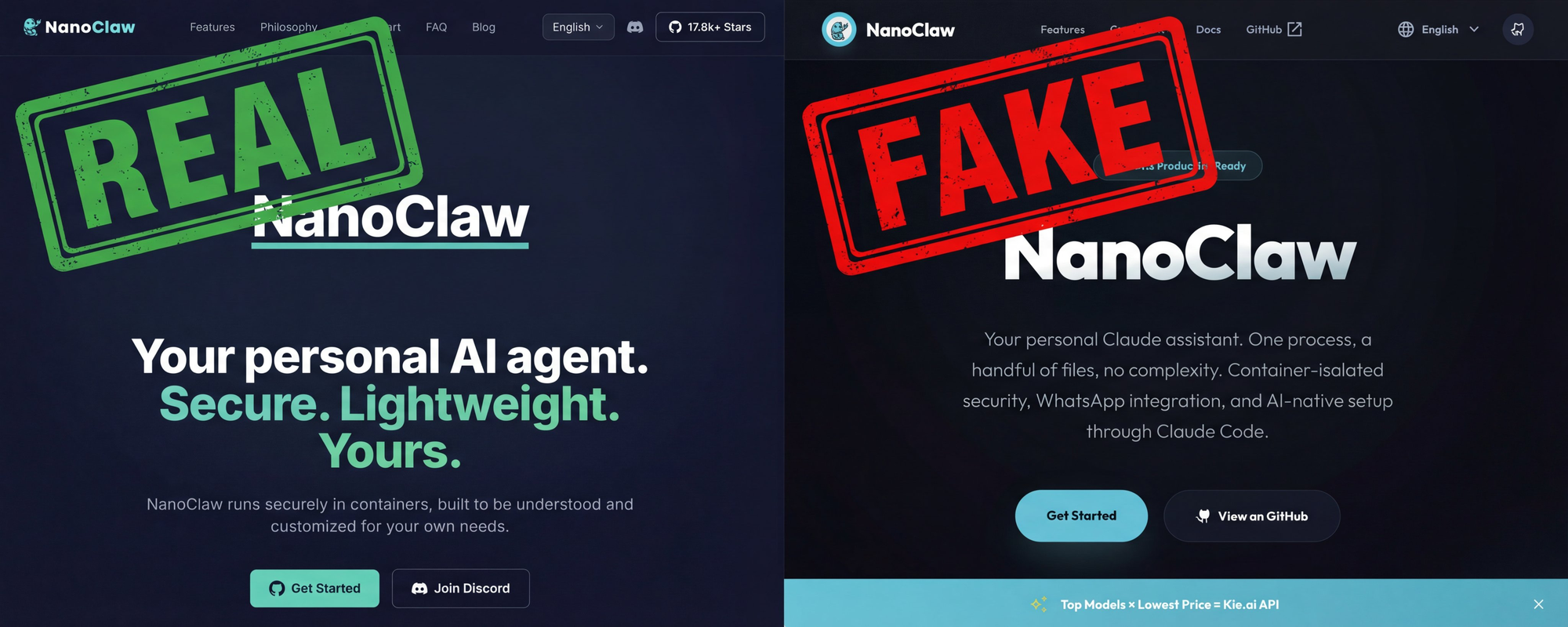
As AI continues developing at breakneck speed, so do scammers. Just this week, I was helping the founders of NanoClaw take down a scammer who had taken over their domain and was actually ranking higher on Google than the official project. We were able to fix the main issue, but it's not 100% resolved. Once again a reminder that AI can be used for both good and bad.
Here's the link to the story which got me involved - https://x.com/Gavriel_Cohen/status/2028821432759717930
Until next week, keep shipping! 🚀
- Brian
Follow me on X: @idomyowntricks